

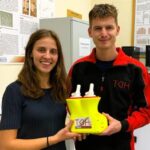
Student engineers from the University of Bath have taken the top prize at the grand final of the inaugural Heart Hackathon, an international competition to design an artificial heart held in Texas at the end of October. Six members of Team Bath Heart presented their device to global experts in artificial heart technologies, competing against teams from Australia, the USA, … [Read more...] about University of Bath students win artificial heart design competition
Medical
New machine-learning technique promises to accelerate discovery of new structural materials
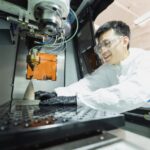
A team of engineers at the University of Toronto has developed a machine-learning technique that promises to accelerate the discovery of new structural materials. One of the primary challenges in the design of advanced structural materials, such as bone-like medical implants and stronger parts for more fuel-efficient aircraft, is the length of time it that takes for research … [Read more...] about New machine-learning technique promises to accelerate discovery of new structural materials
Smartphone attachment could increase racial fairness in neurological screening
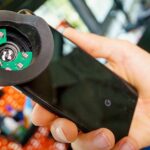
Engineers at the University of California San Diego have developed a smartphone attachment that could enable people to screen for a variety of neurological conditions, such as Alzheimer’s disease and traumatic brain injury, at low cost – and do so accurately regardless of their skin tone. According to the researchers, the technology has the potential to improve the equity … [Read more...] about Smartphone attachment could increase racial fairness in neurological screening
3D-printable prostheses can restore amputees’ finger mobility
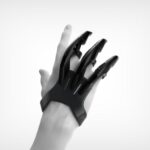
A recent University of Houston industrial design graduate has developed a groundbreaking, easy-to-use 3D-printable finger prosthesis that could offer amputees a low-cost solution to restore finger functionality. David Edquilang first designed Lunet, which doesn’t need metal fasteners, adhesives or special tools to assemble, as an undergraduate student in the Gerald D Hines … [Read more...] about 3D-printable prostheses can restore amputees’ finger mobility
Flexible screen-printed sensors enable earbuds to record brain activity and exercise levels
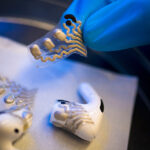
A multidisciplinary research team of engineers at the University of California San Diego has developed a flexible screen-printed sensor that can be used to turn a pair of earbuds into a tool to record the electrical activity of the brain and levels of lactate in the body. The sensors can communicate with the earbuds, which then wirelessly transmit the data gathered for … [Read more...] about Flexible screen-printed sensors enable earbuds to record brain activity and exercise levels