
The Confederation of British Metalforming is calling for better access to technical training and apprenticeships, helping young people into work while addressing manufacturers’ skills shortages.
The Confederation of British Metalforming (CBM) has joined the First Chance Movement, established by former minister Alan Milburn, to support young people who are not in education, employment or training (NEET).
The organisation has also signed a Memorandum of Understanding with engineering and manufacturing skills organisation Enginuity. The agreement aims to strengthen employers’ involvement in skills and apprenticeship development, particularly small and medium-sized enterprises (SMEs).
The two organisations are exploring ways to connect young people with employment and training across manufacturing, including closer engagement with the Department for Work and Pensions (DWP).
Advertisement

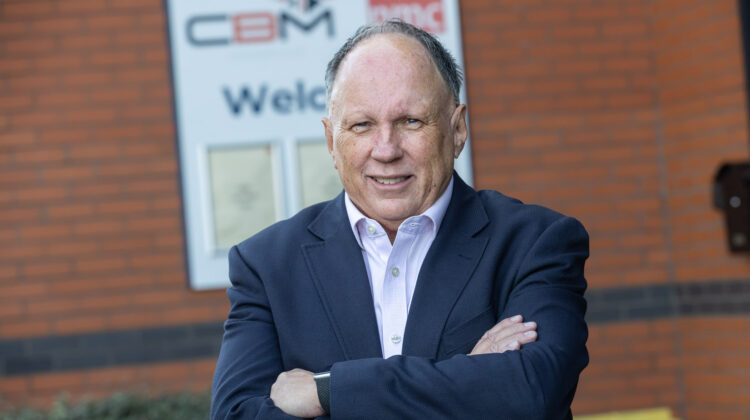
CBM president Stephen Morley said the sector offered careers across engineering, design, technology, automation, quality and logistics, with opportunities for progression.
“Manufacturing has a significant contribution to make. It is not simply about working on a production line,” he said in the announcement.
The CBM is calling for action in six areas, covering employer-led training, stronger connections with employment support, accessible apprenticeships, sustainable training provision, support for SMEs and earlier careers engagement.
Its proposals include rebuilding Level 2 and Level 3 pathways that combine practical workplace experience with recognised qualifications. Manufacturers would help shape these programmes so that training reflects the skills businesses need and offers routes for young people with different educational backgrounds.
The organisation also wants apprenticeship funding to reflect the cost of delivery. It has proposed an Apprenticeship Provider Guarantee to help make training available where individual smaller employers cannot generate enough apprentices to sustain provision.
Advertisement
Closer relationships between DWP employment advisers, training providers and manufacturers could also help young people find opportunities they might otherwise miss.
The CBM represents more than 200 businesses across metalforming and the wider metal supply chain, with SMEs accounting for 85 per cent of its membership.
Chief executive Geraldine Bolton said smaller manufacturers must be included in any national response to youth disengagement. Although these businesses may lack the resources of larger employers, she said they could offer practical experience, skilled employment and opportunities to develop valuable technical knowledge.
Reducing the financial and administrative barriers to providing placements, apprenticeships and first jobs is therefore a central part of the CBM’s proposals.
Enginuity chief executive Ann Watson said the organisation’s evidence showed fewer than four in ten SMEs were confident they could recruit the workers they would need in the years ahead.
She said the forthcoming Milburn Review offered an opportunity to improve connections between young people and employers, provided its recommendations worked for both groups without making the system more complicated.
Alongside changes to training and recruitment support, the CBM wants earlier engagement with pupils to explain the range of careers available in modern manufacturing and the routes into them.
“Reindustrialising the UK economy requires people as well as investment, factories and machinery,” Morley said.