
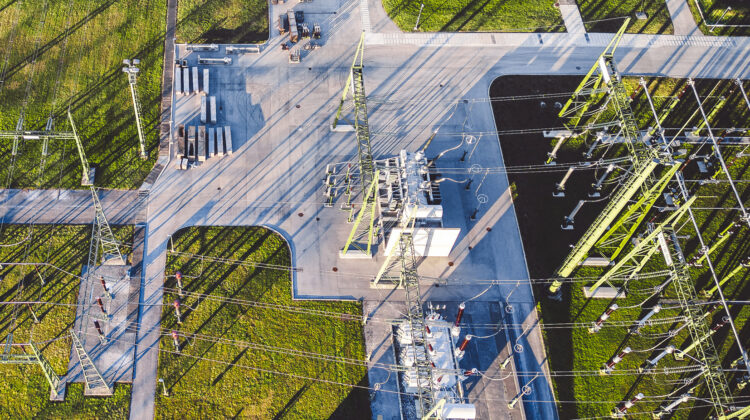
Upgrading the electricity grid takes more than new cables and substations. Behind the equipment are protection and control systems that must be designed, built, tested and integrated with the network already in service.
PP Control & Automation (PP C&A) has joined forces with Transmission Engineering Services (TES) to bring those stages closer together. The partnership combines protection and control engineering with panel manufacture and factory acceptance testing, offering customers a more coordinated route from design to finished equipment. The approach has already been used on a National Grid scheme to reinforce the high-voltage network across North Yorkshire.
The engineering challenge is particularly demanding when upgrading existing infrastructure. New equipment may need to work alongside systems that are being retained, with installation organised around operational constraints. Decisions made during design can therefore affect everything from panel wiring to the sequence of work on site.
PP C&A says involving manufacturing and site delivery specialists earlier could help identify those issues while changes are easier to make. Clearer technical information and earlier consideration of testing requirements could also reduce queries and revisions between organisations.
Advertisement

PP C&A supplies control panels, cable harnesses, electronics and mechanical assemblies to equipment manufacturers. TES brings expertise in transmission and distribution projects, including substation design, protection settings, interface engineering and testing.
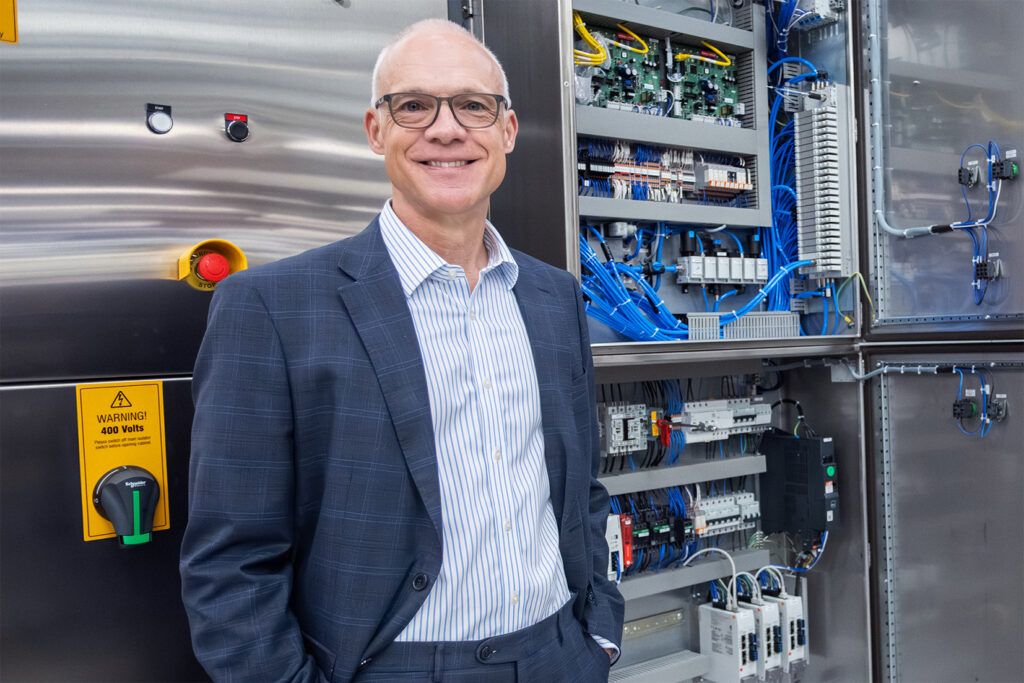
Tony Hague, director of PP C&A, said the agreement would help identify production issues during the build rather than after installation. He estimated that the collaboration could create more than £10 million in opportunities for the company over the next two years. That figure represents potential business, rather than confirmed orders.
For the partners, increasing capacity involves improving how work passes between businesses as well as adding people and equipment. A design package needs to give manufacturers the information required to build the system, while the finished panels and documentation must support installation and commissioning.
The collaboration aims to make those handovers part of a connected engineering process. For grid projects, its practical value will depend on whether that coordination helps equipment move through design, manufacture and testing with fewer avoidable delays.