

Developing new aerospace technologies is rarely a quick process. A promising idea can spend years moving through design, manufacture and testing before engineers know whether it is viable, with each stage depending on the last. The result is a development cycle that can stretch over many years, slowing the introduction of new technologies and increasing costs.
The University of Cambridge believes that process can be accelerated. This week it officially opened the £58 million New Whittle Laboratory, a research facility designed to bring artificial intelligence, rapid manufacturing and advanced testing together under one roof to shorten hardware development from years to weeks.
Named after Sir Frank Whittle, the British engineer who pioneered the jet engine, the laboratory has been created to support the rapid development of technologies across aerospace, energy and defence. Rather than following the traditional sequence of design, build and test, researchers will use AI-assisted design tools, automated laboratories and rapid experimental testing to iterate concepts far more quickly than has previously been possible.
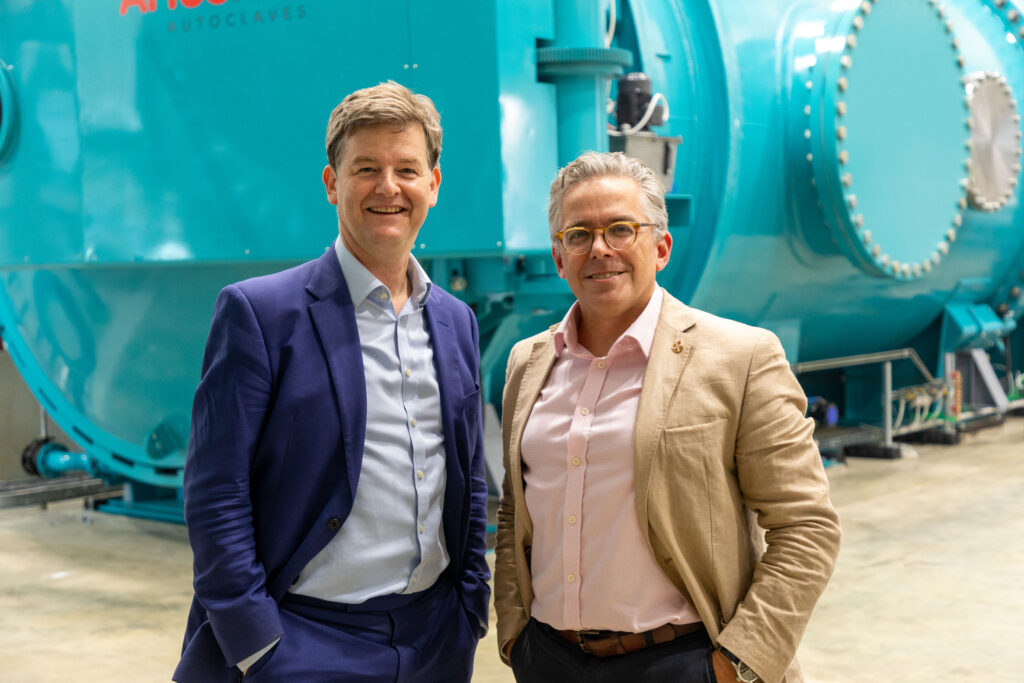
At the heart of the new facility is the Bennett Innovation Lab, which will lead a series of mission-based engineering programmes over the coming decade. Each mission will bring together small teams of researchers and industrial partners to solve a specific engineering challenge, with the aim of creating new technologies that can move rapidly from laboratory research into industrial application.
Advertisement

The second element is the National Centre for Propulsion and Power, which provides facilities for testing propulsion and energy systems under real operating conditions. By reducing the time needed to manufacture, evaluate and refine new designs, the University hopes engineers will be able to test far more ideas in the same period, accelerating the pace of innovation.
The approach has already been demonstrated through an initial pilot project supported by Rolls-Royce and philanthropic funding from Lord Sainsbury of Turville and Peter Bennett. Working within the new development model, the team designed a novel cryogenic jet engine, filed nine patent applications and generated technologies that Rolls-Royce plans to use in the development of its future narrowbody aircraft engines.
Rather than focusing on a single research programme, the laboratory is intended to establish a new way of developing hardware. Cambridge expects between 20 and 30 engineering missions to be launched over the next decade, bringing together expertise from universities, research institutes and industry to tackle challenges in propulsion, energy systems and advanced manufacturing.
Professor Rob Miller, Director of the Whittle Laboratory, believes advances in AI are making this approach possible. ‘AI is dramatically accelerating hardware innovation across the aerospace, energy and defence sectors,’ he said. ‘What’s missing is a bold new approach that champions rapid iteration over incremental improvement.’
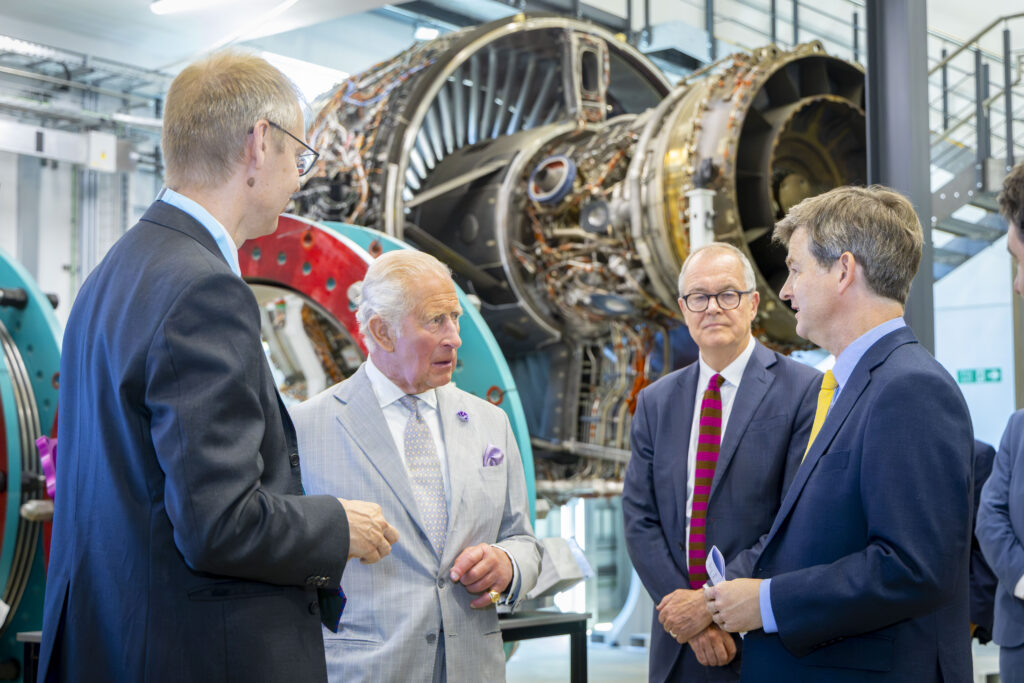
The laboratory was officially opened by His Majesty The King during the Frank Whittle Summit, which brought together representatives from industry, government and academia, including Rolls-Royce, Boeing, Mitsubishi Heavy Industries and Siemens Energy. The summit focused on how new approaches to engineering development could help strengthen UK capability in advanced manufacturing and high-value technology sectors.
Advertisement
While the opening marks a significant milestone for the University, the longer-term ambition is much broader than a new research building. By combining AI, rapid fabrication and advanced testing within a single engineering workflow, the New Whittle Laboratory aims to demonstrate that hardware development can begin to match the speed of modern software development. If successful, it could provide a model for how future engineering technologies are designed, tested and brought into industry.