
The Lincoln Memorial Reflecting Pool in Washington, D.C., has recently been treated with nanobubble technology to address persistent algae growth, drawing attention to a water treatment method that is beginning to find wider applications in environmental engineering. While the project has put the technology in the spotlight, engineers have already been testing nanobubbles in lakes, reservoirs, and wastewater systems to improve water quality without relying on conventional chemical treatments.
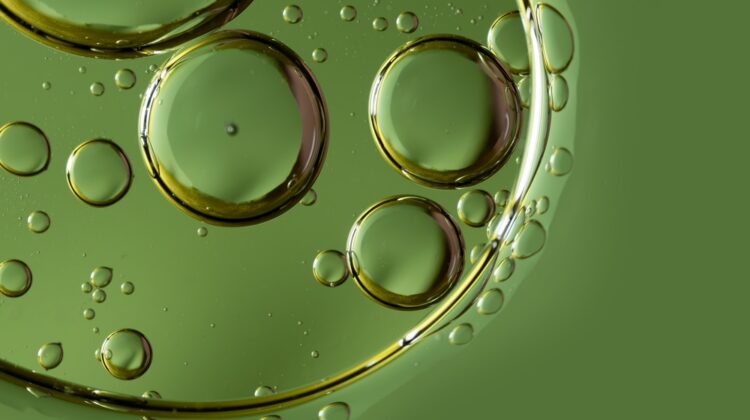
At the heart of the process are nanobubbles – tiny gas bubbles measuring less than one micrometre in diameter. Unlike the larger bubbles produced by conventional aeration systems, nanobubbles remain suspended in water for much longer, allowing gases to be distributed more evenly throughout the water.
The systems use nanobubble generators to draw in oxygen from the air before converting part of it into ozone. This ozone is then injected into the water inside billions of microscopic bubbles. Because the bubbles stay in the water rather than quickly escaping to the surface, the ozone has more time to react with contaminants.
One of the main targets is blue-green algae, or cyanobacteria. These blooms have become an increasing problem in many freshwater environments, fuelled by nutrient pollution from agriculture and urban runoff. Some species also produce cyanotoxins that can affect wildlife, livestock and human health.

Advertisement

When the ozone comes into contact with the algae, it damages the cell walls and helps break down the toxins they release. At the same time, oxygen levels in the water increase, creating healthier conditions for aquatic life. Trials in Florida have produced encouraging results. At Port Mayaca Lock on Lake Okeechobee, a single 24-hour treatment reduced algae cell concentrations by between 95 and 100%, while researchers also reported that detectable cyanotoxins had been eliminated following treatment.
The engineering challenge has been developing a system capable of producing huge numbers of consistently sized bubbles while using as little energy as possible. Advances in fluid engineering, pump design and nozzle technology have made commercial nanobubble generators increasingly practical, allowing the systems to be deployed in larger bodies of water rather than just laboratory environments.
Although algae control has attracted most attention, researchers believe the technology has much wider potential. Trials are already exploring its use in wastewater treatment, aquaculture and irrigation, while other projects are investigating whether nanobubbles could help remove persistent contaminants such as PFAS from water supplies.
There are sustainability benefits too. Because the gas is delivered more efficiently, less ozone is required than in some conventional treatment systems, helping to reduce both chemical use and energy demand. Importantly, however, nanobubbles are not a substitute for improving water management. Reducing the amount of nitrogen and phosphorus entering rivers and lakes remains the most effective long-term way of preventing harmful algal blooms from developing.
Despite its potential, nanobubble technology is not a complete solution. The systems require energy to operate, and while ozone breaks down quickly, it must be carefully controlled to avoid unwanted impacts on aquatic ecosystems. Researchers also stress that reducing nutrient pollution remains essential to preventing harmful algal blooms in the long term.
Advertisement
For engineers, nanobubbles are another example of how relatively small advances in process design can have a significant impact. By improving the efficiency of gas transfer at the microscopic level, the technology is opening up new possibilities for water treatment at a time when demand for cleaner, more sustainable infrastructure continues to grow.