
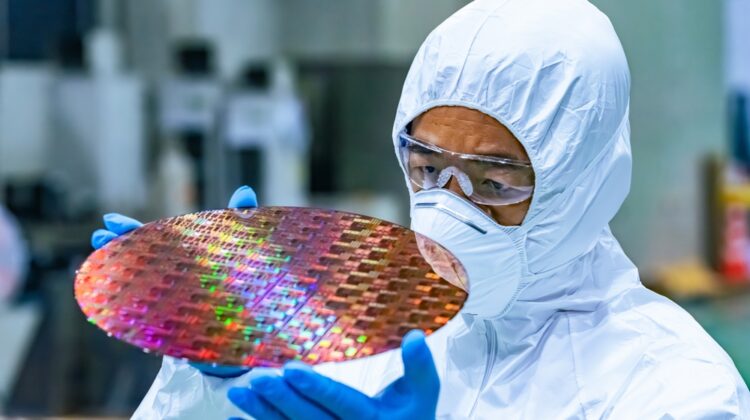
Before a computer chip reaches a phone, car or factory machine, engineers must work out how to make it reliably. NVIDIA has announced new software tools that use artificial intelligence and faster computer simulations to help with that process.
Companies including Siemens, Synopsys, Cadence and Applied Materials are using NVIDIA’s technology to investigate materials, test designs and improve manufacturing. The aim is to explore changes on a computer before putting them into practice.
Chip production involves thousands of steps. Small changes in materials or processing conditions can affect the finished product, while defects can make a chip unusable. Simulations help engineers understand what might happen and compare possible solutions.
One of NVIDIA’s new tools, cuPotential, models how atoms and molecules interact. This allows researchers to study the behaviour of materials used in chipmaking. NVIDIA says early testing made some simulations two to three times faster, even though they were already running on specialist processors.
Advertisement

Other tools address heat and mechanical stress. These are important considerations when packaging chips together, where engineers must manage temperatures and ensure components can withstand the forces acting on them.
Lam Research plans to use NVIDIA software to speed up simulations of wafer etching, a process used to form features on chips. The company expects selected calculations to run up to 30 times faster, with the new capability due for release by the end of the year.
AI is also being used to analyse inspection images, spot possible defects and identify testing equipment that may need attention.
Together, these developments could help engineers compare more options and investigate problems sooner. The reported speed improvements apply to particular tasks, however, rather than the entire chipmaking process. Manufacturers will still need to check that the tools deliver reliable results when used in their own design and production systems.